
Di Cristina Di Silvio*
GERUSALEMME. Non è allarme.
È preparazione chirurgica. Il Ministero della Salute israeliano ha ordinato a ospedali pubblici e privati, HMO, cliniche specializzate e Magen David Adom di aggiornare e pre autorizzare i piani operativi di emergenza, affinché possano passare immediatamente dalla normale operatività all’Emergency Operational Mode (EOM).

Non un innalzamento dell’allerta, che rimane stabile, ma un codice operativo pre autorizzato, pronto a scattare alla prima variazione dello status nazionale.
Le linee guida sono chirurgiche e misurabili: turni di 12 ore, sospensione immediata delle attività elettive e ambulatoriali, riduzione fino al 50 % dei posti letto ordinari.
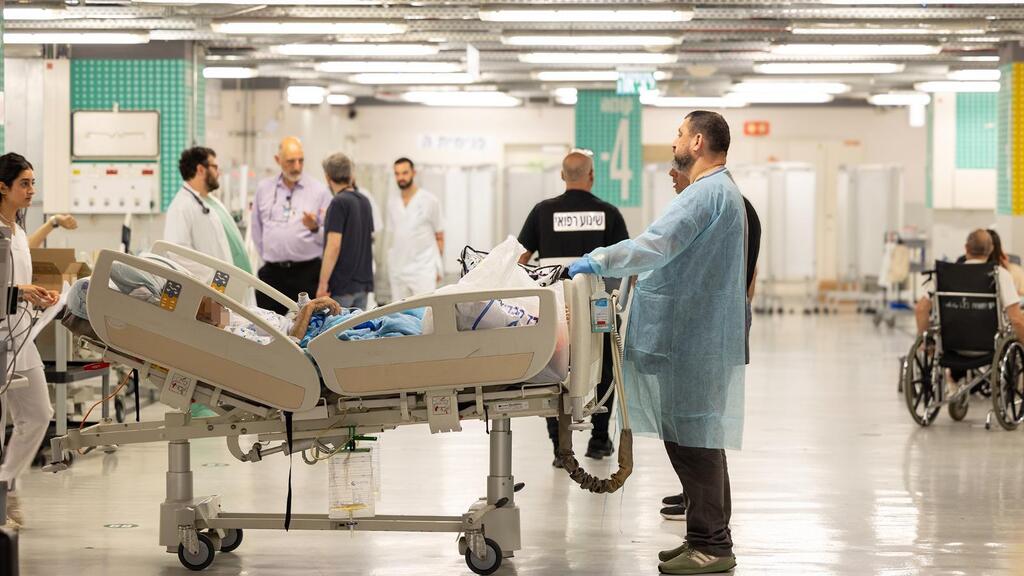
I reparti devono essere riconfigurabili rapidamente, i sistemi di comunicazione wireless e satellitari sempre operativi, l’approvvigionamento di farmaci e sangue garantito, i servizi di telemedicina e supporto psicologico attivi e testati.
Non teoria. Sheba Medical Center e altre strutture hanno procedure collaudate per attivare reparti protetti e continuare a operare in emergenza, mantenendo la continuità delle cure senza interruzioni.
Ogni decisione, ogni risorsa, ogni turno è pianificato, testato e pronto.
In questo contesto operativo, la riflessione di Umberto Galimberti diventa strategica: “Abbiamo trasformato la vita in una questione di quantità. Anni da accumulare. Esperienze da sommare. Numeri da mostrare.
Intanto il contatto con noi stessi si è assottigliato, coperto dal rumore.
Gli sguardi si sfiorano per evitarsi. Il lavoro diventa un relitto a cui aggrapparsi.
La storia non parla più dei padri e la parola verso i figli trema, incerta.
Il bisogno di essere accettati ci spinge su strade che non sono nostre. Strade percorse per compiacere, per non deludere, per non dire no. E così ci perdiamo, inermi nella fatica di piacere.
Rincorriamo ricchezza, successo, fama, potere.
Oggetti. Cose che comprano altre cose. Ma non comprano senso.
Galimberti lo ribalta con chiarezza antica: non conta quanto.
Conta come. Non quanti siete, ma chi siete. Non fretta, ma costanza. “Non durata, ma pienezza. Vivere a lungo dipende dal destino. Vivere abbastanza dipende dall’animo”.
Tradotto in termini di difesa: non è il numero di posti letto o ambulanze a garantire resilienza.
È la qualità della loro orchestrazione sotto stress, la rapidità di attivazione, la robustezza delle procedure, la sincronizzazione dei comandi.
Israele non aggiorna protocolli ospedalieri.
Integra la sanità nella struttura nazionale di difesa, trasformando il sistema sanitario in un asset strategico pronto a rispondere a emergenze sanitarie e pressioni geopolitiche simultanee.
Qui, più che contare quanto, conta come.
Più che sopravvivere, conta funzionare a piena efficacia sotto vincolo operativo reale.
Ogni letto, ogni turno, ogni comunicazione è calibrato per ridurre l’incertezza decisionale a zero.
La posta in gioco non è vivere più a lungo: è funzionare meglio sotto pressione, dove vita e morte, decisione e fallimento, si misurano in minuti e secondi.
ENGLISH VERSION
Israel: Hospitals Ready for Maximum Emergency, Healthcare Becomes a Strategic Asset
By Cristina Di Silvio**
JERUSALEM. This is not alarm. It is surgical preparation.
The Israeli Ministry of Health has instructed public and private hospitals, HMOs, specialized clinics, and Magen David Adom to update and pre authorize their emergency operational plans so that they can switch immediately from normal operations to Emergency Operational Mode (EOM).
This is not an increase in alert level, which remains stable, but a pre authorized operational code, ready to be activated at the first sign of a change in the national status.
The guidelines are precise and measurable: 12-hour shifts, immediate suspension of elective and outpatient activities, reduction of up to 50% of regular hospital beds.
Departments must be rapidly reconfigurable, wireless and satellite communication systems must remain fully operational, the supply of medicines and blood guaranteed, and telemedicine and psychological support services active and tested.
This is not theory. Sheba Medical Center and other institutions have proven procedures to activate protected units and continue operating during emergencies, maintaining continuity of care without interruption.
Every decision, every resource, every shift is planned, tested, and ready.
In this operational context, the reflection of Umberto Galimberti becomes strategically relevant: “We have transformed life into a matter of quantity. Years to accumulate. Experiences to sum. Numbers to display. Meanwhile, contact with ourselves has thinned, covered by noise. Gazes brush past each other to avoid connection. Work becomes a wreck to cling to. History no longer speaks of fathers, and the word to our children trembles, uncertain. The need to be accepted pushes us onto paths that are not our own. Paths traveled to please, to avoid disappointing, to avoid saying ‘no’. And so we lose ourselves, powerless in the fatigue of pleasing. We chase wealth, success, fame, power. Objects. Things that buy other things. But they do not buy meaning. Galimberti reverses this with ancient clarity: it does not matter how much. What matters is how. Not how many you are, but who you are. Not haste, but consistency. Not duration, but fullness. Living long depends on destiny. Living enough depends on the spirit”.
Translated into defense terms: it is not the number of hospital beds or ambulances that guarantees resilience. It is the quality of their orchestration under stress, the speed of activation, the robustness of procedures, and the synchronization of command.
Israel is not merely updating hospital protocols.
It is integrating healthcare into the national defense framework, turning the healthcare system into a strategic asset ready to respond to both health emergencies and simultaneous geopolitical pressures.
Here, it is less about how many and more about how.
More than survival, it is about functioning at full efficiency under real operational constraints.
Every bed, every shift, every communication is calibrated to reduce decision-making uncertainty to zero.
The stakes are not simply living longer: they are performing better under pressure, where life and death, decisions, and failure are measured in minutes and seconds.
*Esperta Relazioni internazionali, istituzioni, geopolitica e diritti umani
**Expert in International Relations, Institutions, Geopolitics, and Human Rights
©RIPRODUZIONE RISERVATA